Back to blog
A perfect shave

A perfect shave : much more than a simple daily routine

For many men, shaving is an almost automatic routine, a necessary step before starting the day. Yet this gesture, repeated thousands of times over a lifetime, deserves more than a purely mechanical approach. When done properly, shaving can become a true ritual of care, well-being, and even pleasure.

With the right tools, the right techniques, and a basic understanding of skin and hair, it is possible to turn this moment into a time of relaxation, while avoiding cuts, irritation, and discomfort. Whether you prefer a traditional manual razor or the most advanced technologies, this guide will walk you step by step toward a perfect shave.

A bit of history : the art of shaving through the centuries

Shaving is a practice as old as civilization itself. The earliest traces date back to prehistoric times, when seashells, polished stones, or flint shards were used to remove facial hair. Among the Egyptians, shaving or being shaved, was a sign of cleanliness and social status, often performed by professional barbers.

In ancient Rome, shaving took on a ritual dimension: a young man’s first shave symbolized his passage into adulthood. The Middle Ages saw the emergence of the barber-surgeon, skilled in both hair cutting and beard shaving.

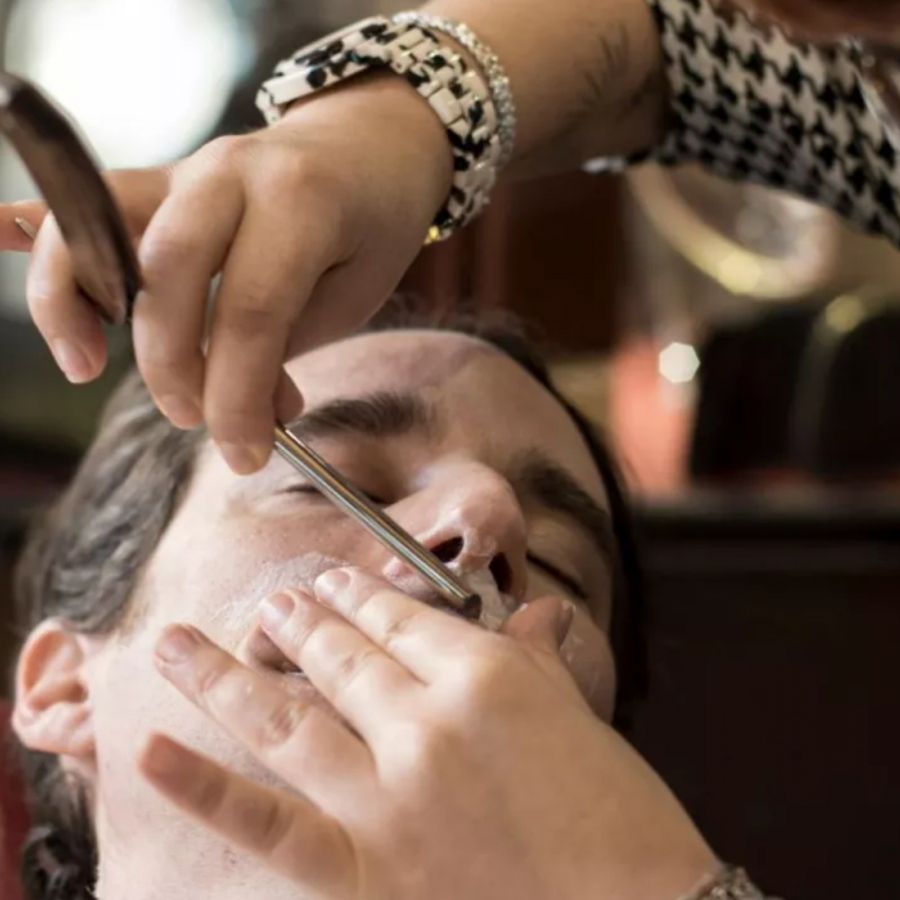
It was in the 19th century that the straight razor, or "cut-throat" razor, became an essential tool. Effective yet demanding, it required precise technique and constant sharpening. This "old-fashioned" shave, both elegant and ritualized, remains today a symbol of tradition.

The revolution came at the beginning of the 20th century with the invention of the safety razor with interchangeable blades by King Camp Gillette. More accessible and safer, it brought shaving into the home. Since then, technology has continued to evolve: multi-blade systems, lubricating strips, electric razors, pivoting heads… all designed to combine performance and comfort.

From flint to blade, shaving has always been far more than a simple gesture: a marker of style, care, and identity.

The different types of razors

The choice of razor determines the quality of the shave. Between tradition and innovation, each type of tool offers a different experience, tailored to your needs and your skin.

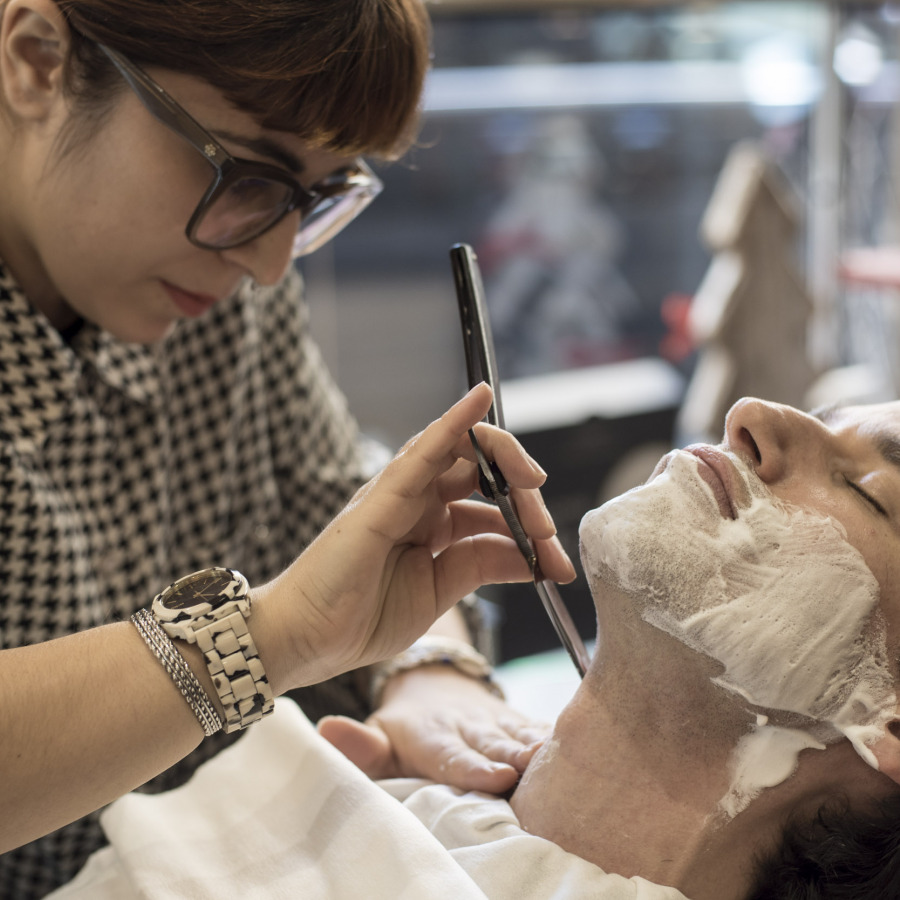
The straight razor (or « cut-throat razor »)

A symbol of classic shaving, prized for its precision and aesthetic appeal. It requires skill, time, and meticulous maintenance. Ideal for those who see shaving as an art, it offers absolute control but is not suited to the rush of everyday life.

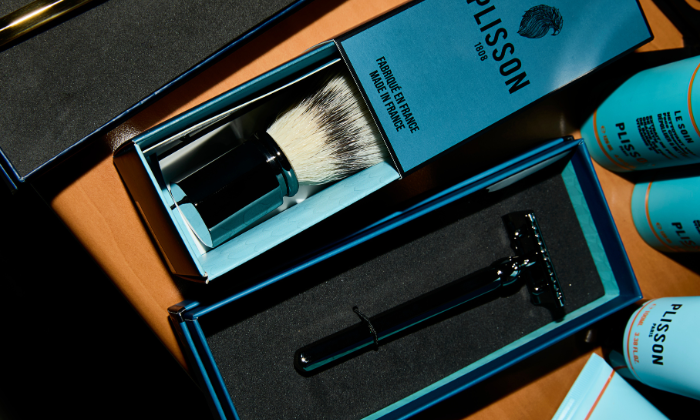
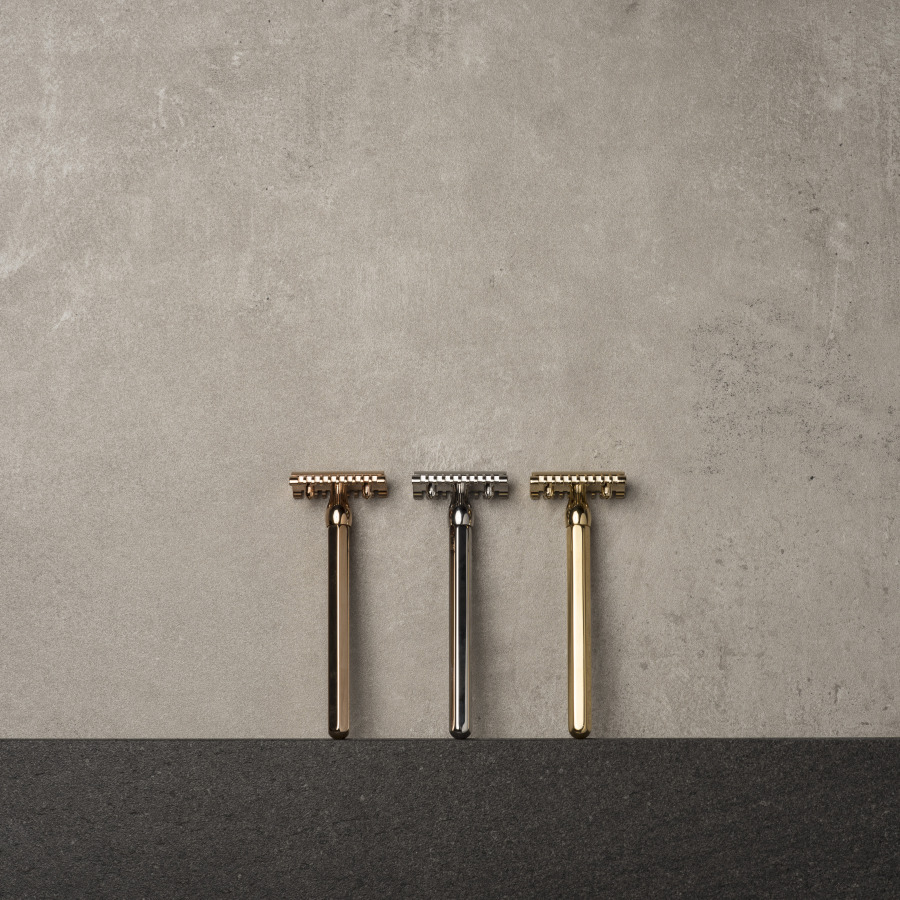
The safety razor

A good compromise between efficiency and simplicity, using a single blade. It appeals to those who value precision and tradition while remaining accessible. Cost-effective, durable, and gentle on the skin, it is particularly well suited to sensitive skin.

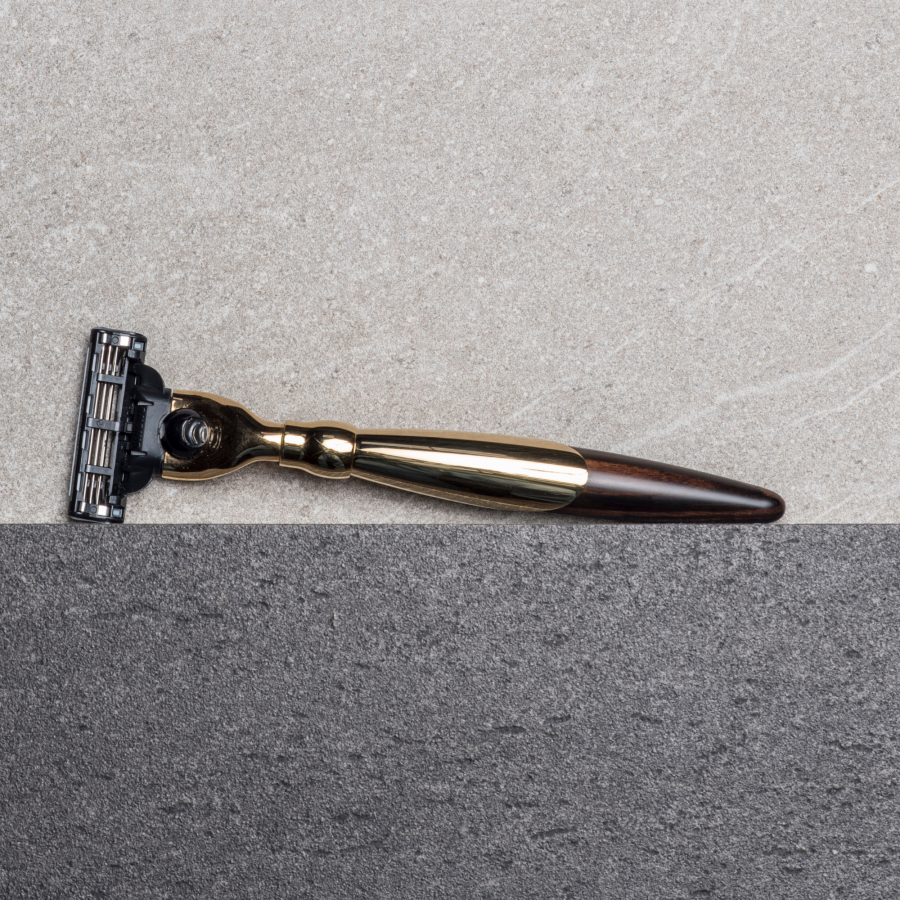
The multi-blade razor

The most common option today thanks to its ease of use. Equipped with multiple blades and often a pivoting head, it allows for a quick and clean shave. However, repeated passes can irritate the skin, especially when the blade is worn. This is why a disciplined shaving routine is essential to protect the skin from the effects of daily shaving.

The right razor is the one that respects your skin, fits your lifestyle, and turns shaving into a truly enjoyable moment.

Preparing your skin : the secret to a smooth and precise shave

Even before the blade touches the skin, proper preparation of the face determines both the comfort and success of the shave.

Hydration, an essential step
Beard hair softens when exposed to warm water. Shaving after a shower, or soaking the face for a few minutes in lukewarm water, significantly reduces tugging and protects the skin.

The importance of a good shaving product
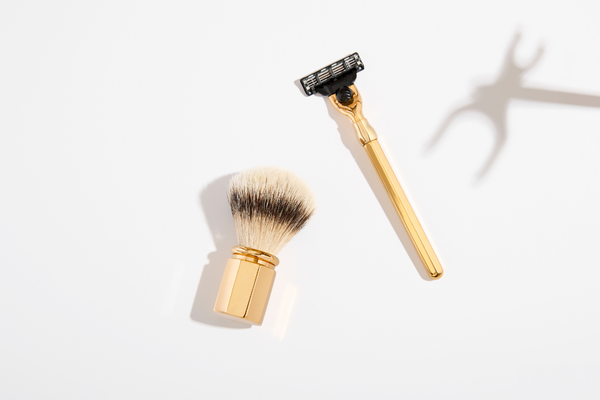
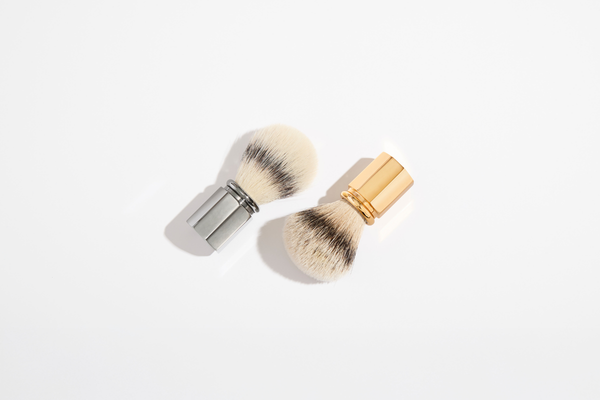
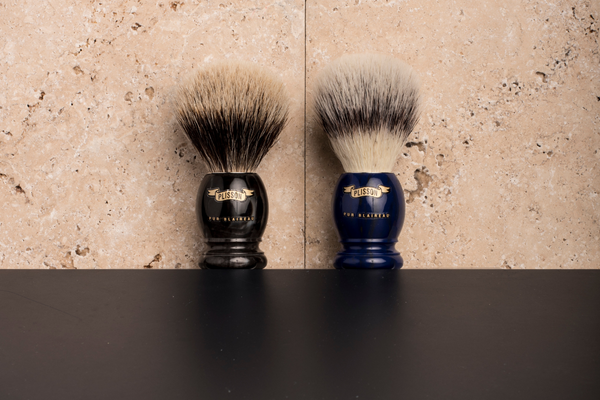
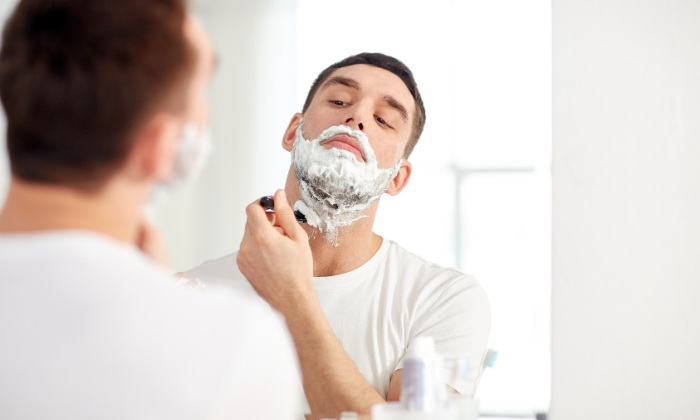
Applying a quality shaving cream or soap helps maintain hydration, soften the hair, and allow the blade to glide more easily. Used with a brush, the product spreads evenly and provides a gentle, beneficial exfoliation.

Tailor preparation to your beard
The denser or coarser the beard, the more careful the preparation should be : warm towel, rich lather, longer application time. This initial care ensures a cleaner shave and better respect for the skin.

A ritual, not a chore
Taking the time to properly prepare the skin transforms a routine task into a moment of self-care. Shaving becomes a calming ritual, a morning pause dedicated to looking after yourself.

Caring for preparation not only optimizes the results but also preserves the integrity and comfort of your skin.

Shaving Techniques

A successful shave doesn’t depend solely on the tools or preparation, it’s also about technique. Knowing how to move the blade, the order in which to shave different areas of the face, and the right amount of pressure to apply helps optimize comfort, safety and the quality result. Here are the essential principles to follow.

Always shave with the grain

The fundamental rule is to start by shaving in the direction of hair growth. This direction varies across different areas of the face and can even differ from one side to the other. Shaving with the grain significantly reduces irritation, redness, and the risk of ingrown hairs.

To determine the grain, run your dry hand over your beard: the direction in which the hair offers the least resistance corresponds to the natural growth.

Order of areas to shave

It is recommended to start with the most sensitive or easy-to-shave areas : the cheeks, neck, and under the nose. The chin and the center of the upper lip are usually denser and require more attention, leave them for last. This gives the hair a little extra time to soften under the lather.

Pressure and movements

A good shave relies on a light touch. The blade should glide over the skin, not press down on it. Applying too much pressure increases the risk of cuts and razor burn. A well-sharpened razor or a new blade is more than enough to cut the hair without force.

Use short, controlled strokes, rinsing the blade frequently with warm water to remove lather and hair residue.

Shaving against the grain: when and how

If, after a first pass with the grain, some areas are not perfectly smooth, a second pass is possible, but with caution. Reapply lather and make a light pass against or across the grain, always without pressing hard.

This step is optional and should be avoided if you have sensitive skin, frequent redness, or ingrown hairs.

When to change the blade

An uncomfortable shave, a tugging sensation, or “catching” (when the blade pulls at the hair) are all signs that the blade is dull. It’s best to replace it immediately: a worn blade irritates the skin and significantly reduces shaving quality.

Mastering shaving techniques not only improves visible results but also preserves your skin’s health in the long term. Precision, a gentle touch, and respect for each step turn a simple pass of the blade into a proper act of care.

After-Shave Care : Soothe, Hydrate, Protect

Shaving, no matter how careful, is still a form of stress for the skin. The blade removes not only the hair but also a thin layer of dead skin cells, leaving the skin more vulnerable to external aggressions. A proper after-shave care routine is therefore essential to restore the skin’s balance and ensure lasting comfort.

Rinsing

After shaving, start by rinsing with lukewarm water to remove all traces of lather and hair. Then, if you prefer, finish with a splash of cold water to tighten pores and tone the skin. Pat your face dry with a clean towel, never rub.

Soothe and repair with the right care

There are mainly two types of after-shave products : lotions, often containing alcohol, and balms, with a softer, more nourishing texture.

While lotions provide an immediate refreshing sensation, they can be too harsh for sensitive skin. Balms, on the other hand, deliver deep hydration and instant soothing without any burning sensation.

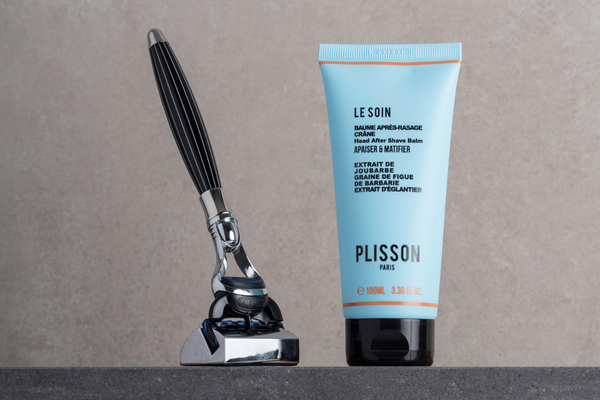
And for those who shave their heads, check out our after-shave balm for the scalp right here.

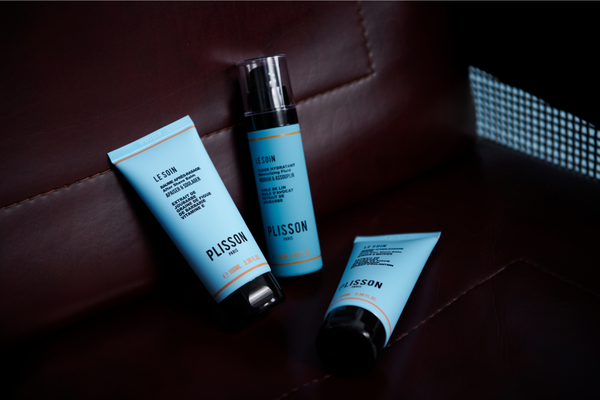
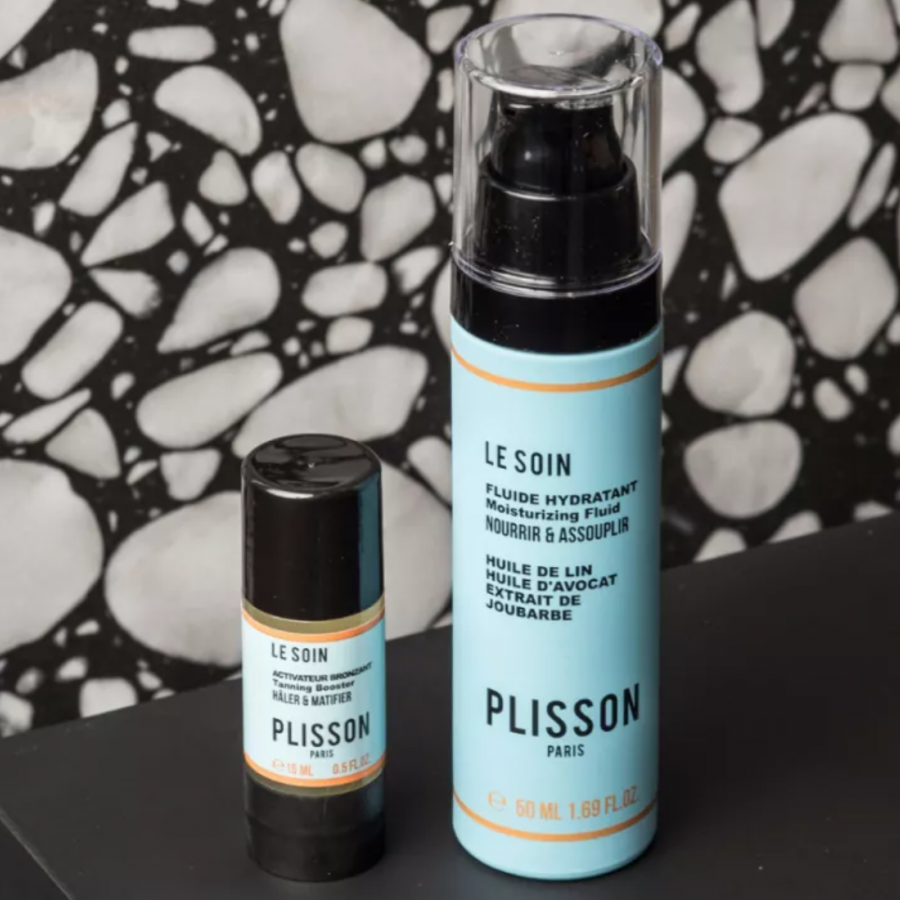
Plisson’s after-shave balm stands out for its light, non-greasy texture, enriched with soothing natural ingredients. Formulated to calm razor burn, it provides long-lasting hydration while respecting sensitive skin. It is a discreet yet effective care product, designed to extend the elegance of a perfectly executed shave.

For problem-prone skin

In cases of ingrown hairs, persistent redness, or small post-shave bumps, care can be complemented with a gentle antiseptic lotion or a local application of alum stone. These simple steps help prevent inflammation without further irritating the skin.

A well-chosen after-shave care routine transforms the simple act of shaving into a true facial treatment. It comforts the skin, prolongs the feeling of freshness, and contributes to the understated elegance of daily life.

Maintaining Your Shaving Tools

A good shave also depends on the quality and maintenance of your tools. A poorly cleaned razor, a neglected brush, or dull blades not only compromise the result but also affect skin hygiene.

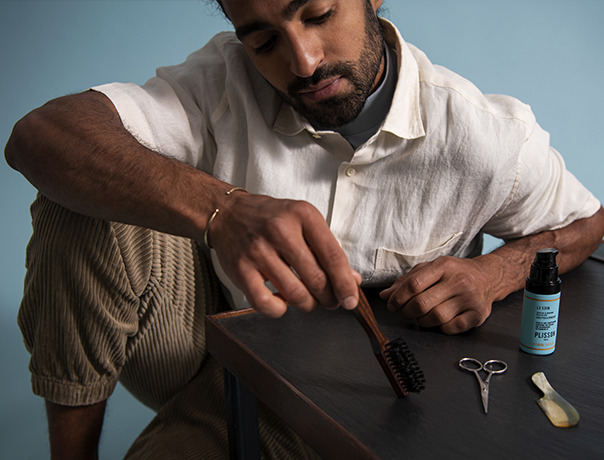
The shaving brush should be rinsed thoroughly with lukewarm water after each use. It’s important to drain it well, lightly towel-dry, and then hang it upside down on a proper stand. This prevents moisture from stagnating, which is a common cause of deterioration. Check out our stands on this page.

The razor, whatever type, also deserves careful rinsing. Blades should be replaced at the first signs of resistance or discomfort. Straight razors require regular honing on a strop and careful drying to avoid corrosion. For convenience, find your safety razor blades in our shop.

Maintaining your tools not only prolongs their effectiveness… it also takes care of your skin.

Common Mistakes to Avoid for a Flawless Shave

Even with a good razor and quality products, certain habits can compromise the success of a shave. Being aware of them is already a step toward improvement.

The most common mistake is shaving dry or without proper preparation. This weakens the skin and significantly increases the risk of irritation. Similarly, using a dull or old blade strains the skin and can cause tiny cuts.

Applying too much pressure on the razor is another classic error: the blade should glide, not press. The stronger the pressure, the more unnecessary irritation the skin experiences.

Another common misstep : shaving against the grain on the first pass. This technique can be useful for finishing touches, but it should be reserved for well-prepared areas, after the initial pass in the direction of hair growth.

Finally, neglecting after-shave care is an often underestimated mistake. Freshly shaved skin needs to be soothed and moisturized, even if no visible irritation is present.

A successful shave is not a matter of luck: it results from the right tools, careful preparation, and precise technique. By giving this daily ritual the attention it deserves, you can turn a routine into a moment of well-being. Whether you prefer a straight razor or a quick shave, the essentials remain the same: respect your skin, express your style… and start each day with confidence.

You may also be interested in