Your cart is empty...
Browse our catalog — you might find something you like.
Pure Boar Bristle Smoothing Brush
Brushing Hair 40 mm Pure Wild Boar
Browse our catalog — you might find something you like.
Pure Boar Bristle Smoothing Brush
Brushing Hair 40 mm Pure Wild Boar
Shaving is part of everyday life for many men, but it can sometimes cause problems such as cuts, redness and ingrown hairs. To avoid these problems, there are simple and effective techniques. Here are seven tips to help you achieve a perfect shave and protect your skin.
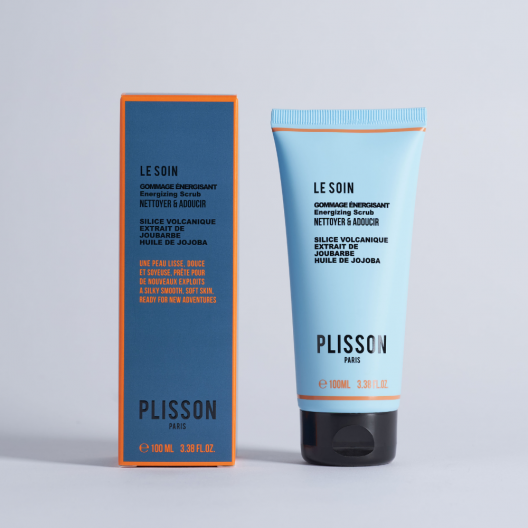
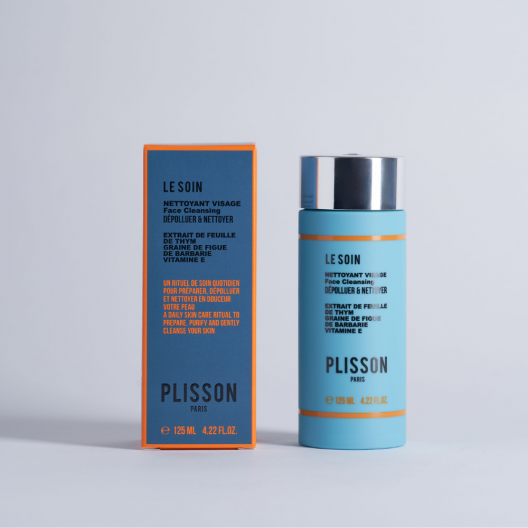
Good skin preparation is essential to limit the risk of irritation. Before you shave, it's important to clean your face. Use a gentle exfoliant or cleanser to remove impurities and dead cells that can clog the blades and cause irritation.
To soften hair and open pores, you can apply warm water to your face or use a warm washcloth. Another option is to shave after a shower, when the steam has already prepared your skin. This step makes shaving gentler and reduces the risk of cuts.
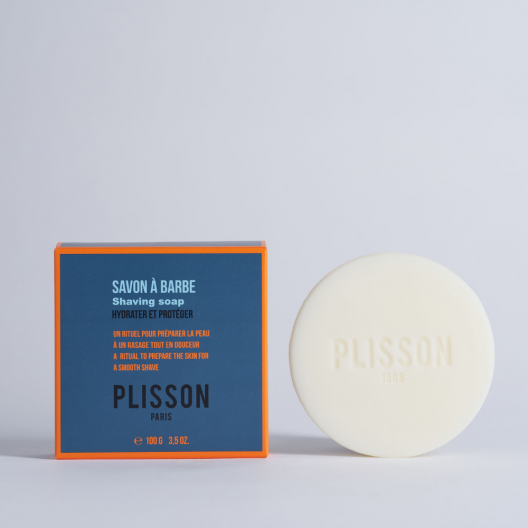
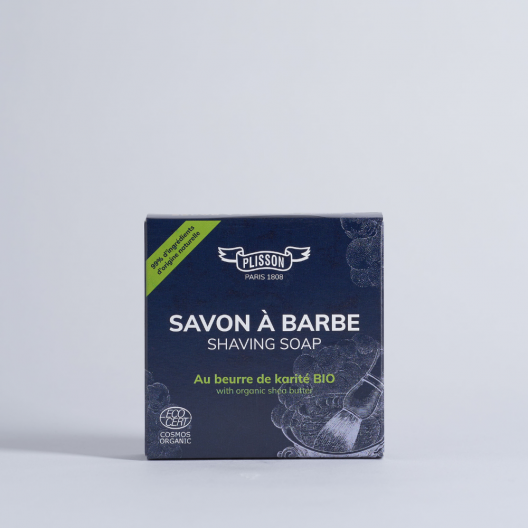
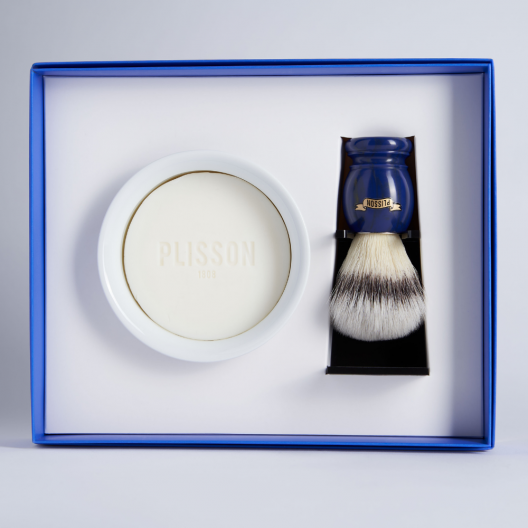
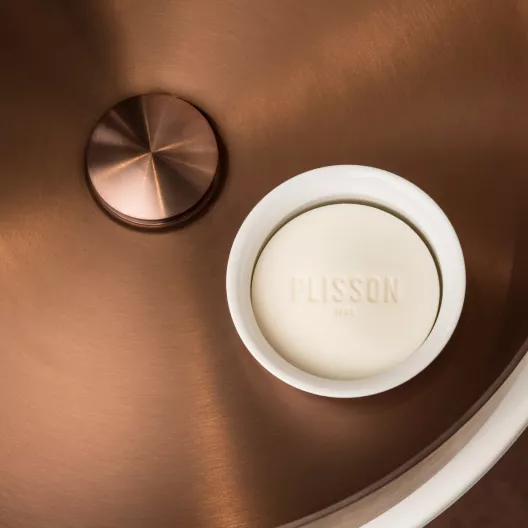
Organic Shea Butter Shaving Soap certified ECOCERT
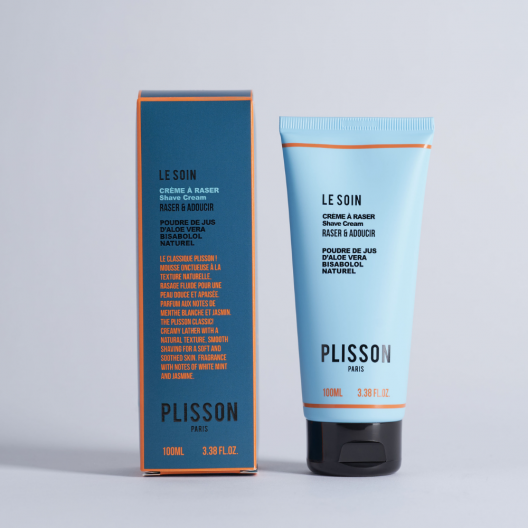
The products you use to shave play a crucial role in protecting your skin. It's best to use quality shaving foams or gels of natural origin, which will moisturise and create a protective barrier between the razor and your skin.
Opt for alcohol-free products, as alcohol can dry out the skin and cause irritation. Choose moisturising formulas containing natural ingredients such as aloe vera, chamomile or jojoba oil. These ingredients help to soothe and nourish the skin during shaving.
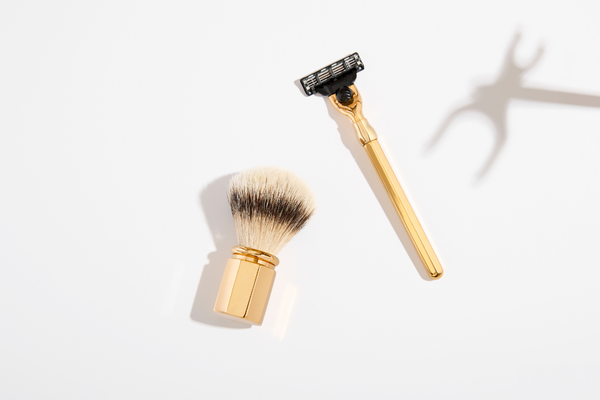
For an effective, skin-friendly shave, it's important to make the right choice between using a shaving brush or an appropriate razor. Both tools play a key role in the quality of your shave, and the choice will depend on your personal preferences.
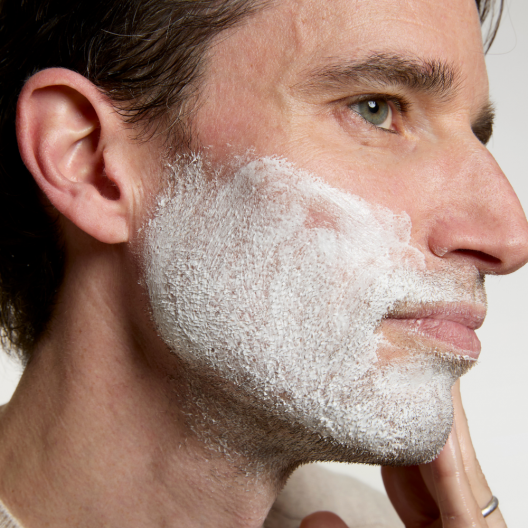
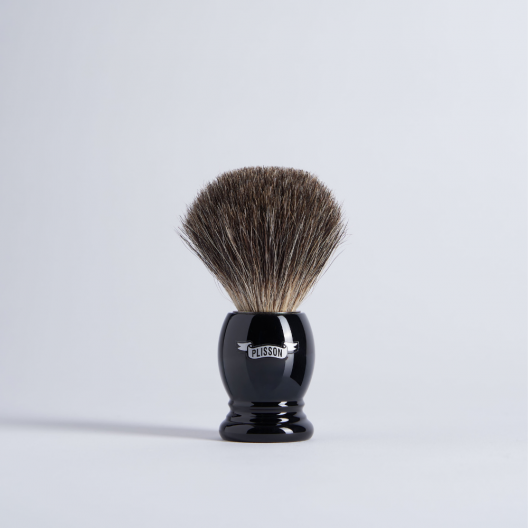
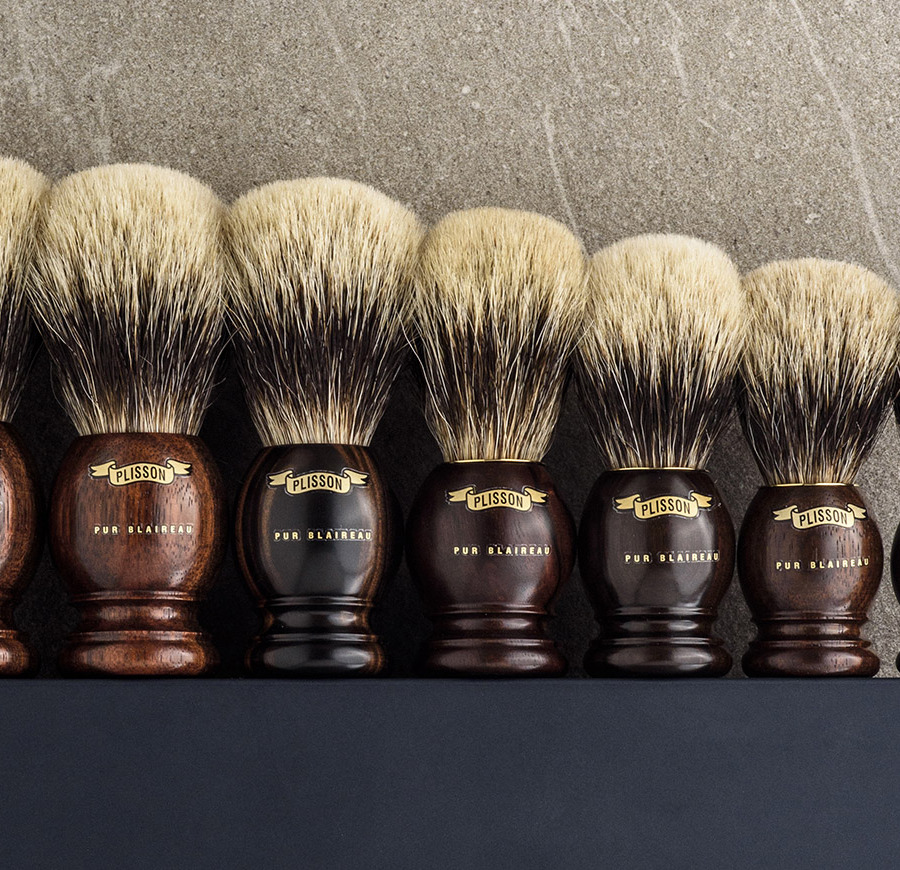
If you opt for a shaving brush, such as those from Plisson 1808, you'll get a more traditional, but no less effective, shave. The shaving brush distributes the shaving foam or soap evenly over your face, lifting the hair in circular movements. This makes it easier to cut the hairs and gives you a smoother shave. What's more, the shaving brush lightly exfoliates the skin, helping to prevent ingrown hairs.
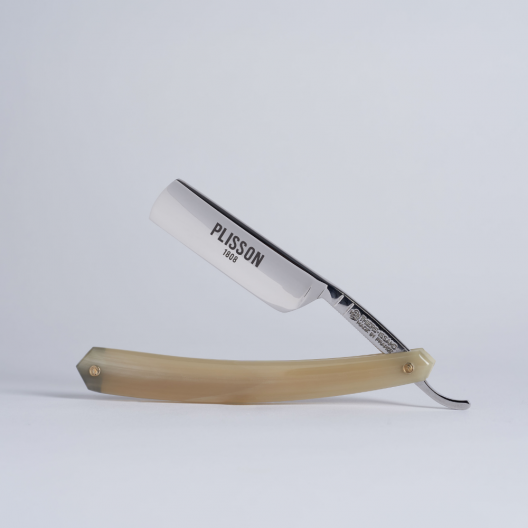
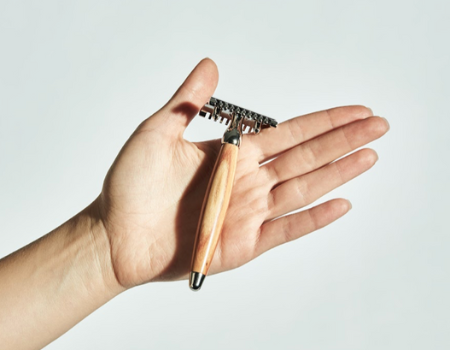
On the other hand, if you prefer to use a razor, it's essential to choose a model suited to your skin type and needs. A razor, for example, offers a close shave, but requires a certain amount of control to avoid cuts. In all cases, make sure the blades are sharp and replaced regularly to avoid irritation and ensure an effective shave.
Whether you choose a shaving brush or a razor, the important thing is to find the tool that suits you best and gives you a comfortable shave while minimising the risk of irritation, cuts and ingrown hairs.
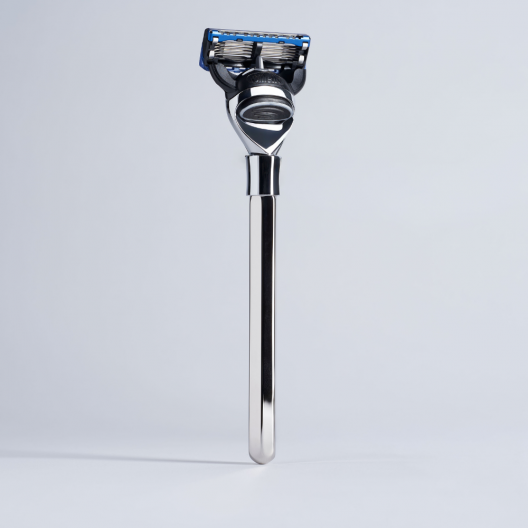
Fusion Solid brass razor - Palladium finish
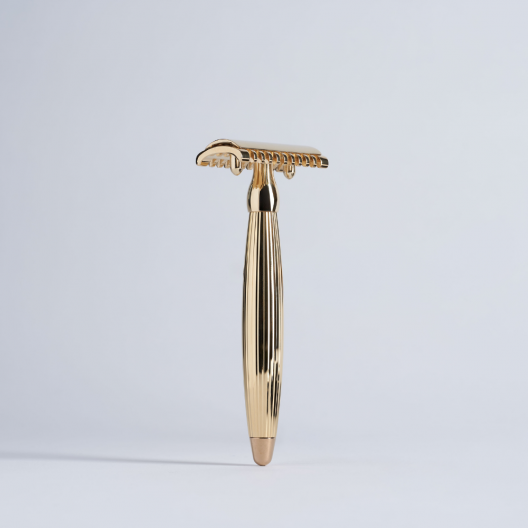
Godroon Gold Plated Mach3 or Safety Razor
Essential Russian Grey Shaving Brush - 9 Colours
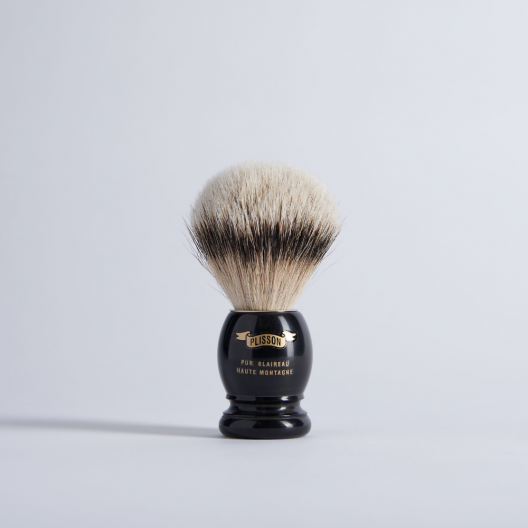
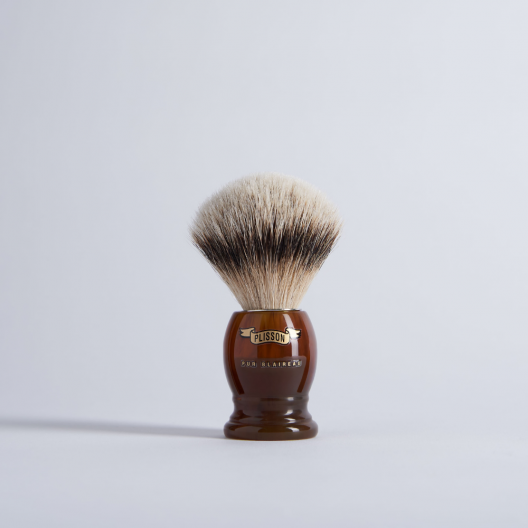
High Mountain White Acetate Shaving Brush - 4 colours
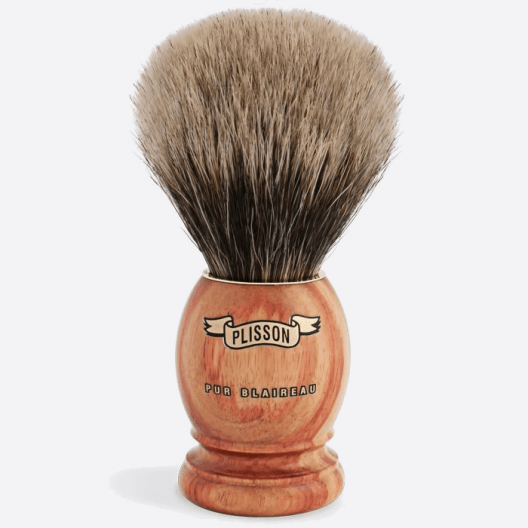
European Grey Rosewood Shaving Brush
For a truly optimal shaving technique, the combined use of a razor and a shaving brush is essential. The shaving brush plays a key role in preparing the skin and hair before the razor. By applying the foam in circular movements, it lightly exfoliates the skin, eliminates impurities and straightens the hairs, facilitating a cleaner cut. This allows the razor to glide more easily, reducing the pressure needed and minimising the risk of cuts and irritation. By mastering this technique, you get a smoother, closer and more comfortable shave.
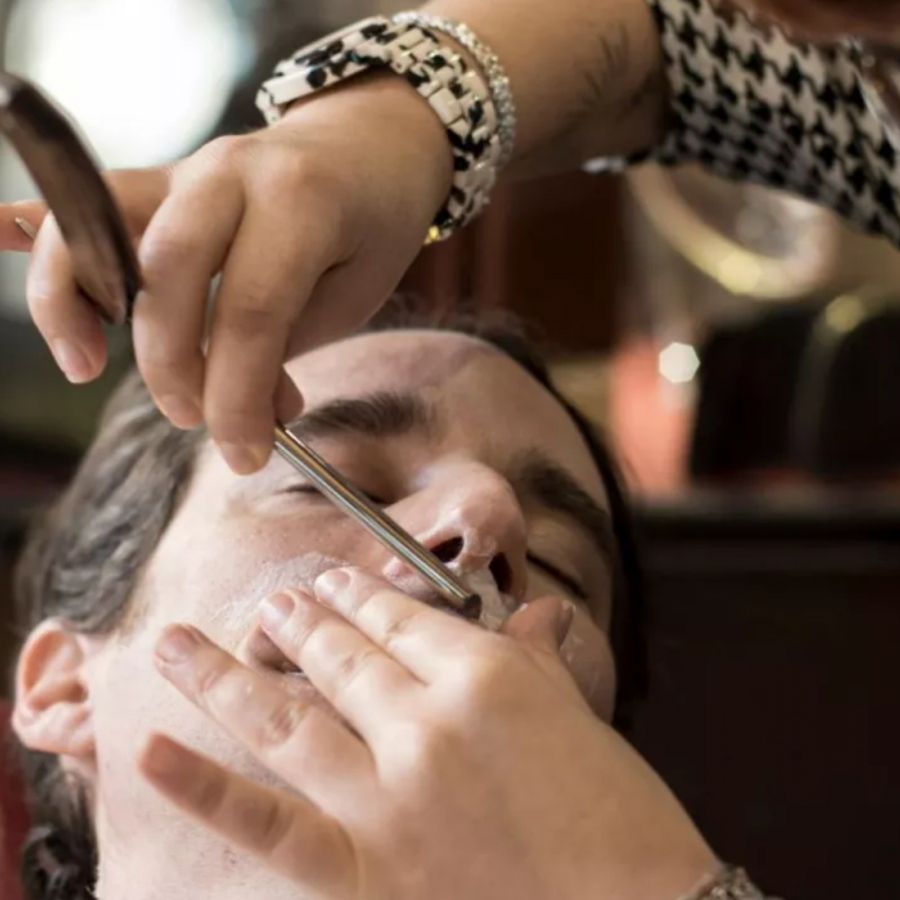
Apply light pressure to the razor to let the blades do their job. Excessive pressure only increases the risk of cuts. Be particularly careful when shaving sensitive areas such as the neck. Tighten the skin with your fingers to ease the passage of the razor and reduce the risk of irritation.
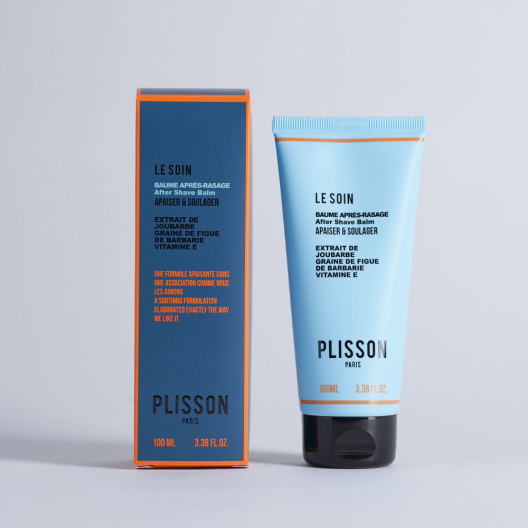
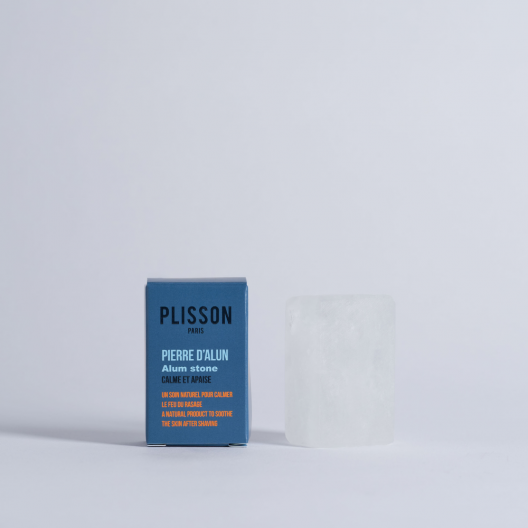
Once you've finished shaving, your skin needs care to repair itself and stay healthy. Applying an aftershave is essential to soothe the skin and prevent redness. It's best to use an alcohol-free aftershave, as alcohol can dry out the skin and cause burns. You can also use a block of alum stone to stop shaving cuts.
Choose a moisturising and soothing product containing ingredients such as aloe vera, chamomile extract or argan oil. These ingredients calm inflammation and help restore the skin's protective barrier. As well as aftershave, remember to moisturise your skin daily with a suitable cream to keep it supple and prevent dryness.
Ingrown hairs can be not only annoying, but also painful. To avoid them, regular exfoliation is a key step. Gentle exfoliation once or twice a week removes dead skin cells and helps prevent ingrown hairs.
If you're prone to ingrown hairs, use specific products, such as lotions containing salicylic or glycolic acid, to help free hairs trapped under the skin. In the event of an ingrown hair, avoid scratching or piercing it, as this may lead to infection. Instead, apply a warm compress to help draw it out, and consult a dermatologist if the problem persists.
By following these six tips, you can greatly improve your shaving experience and avoid common problems such as cuts, redness and ingrown hairs. The key to a successful shave lies in good preparation, choosing the right products, and using the right technique.
Every skin is unique, and it's important to find the routine that suits you best. By taking care of your skin before, during and after shaving, you can transform this daily ritual into a pleasant, hassle-free moment. Feel free to share your own tips or ask questions on our Instagram @plisson.1808!
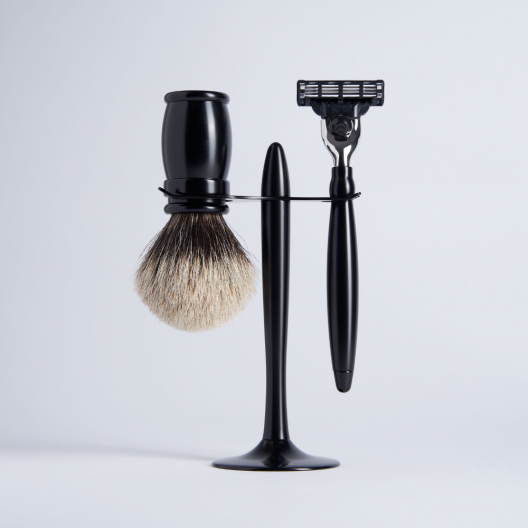
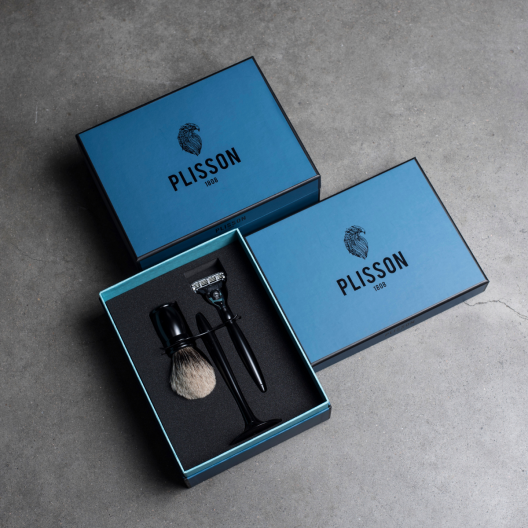
3-Piece Set Infinite Black Finish with Pure European Grey
Napoleon Box Set - Limited Edition
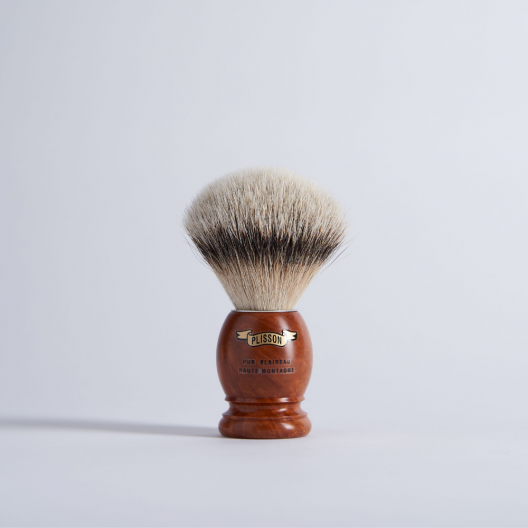
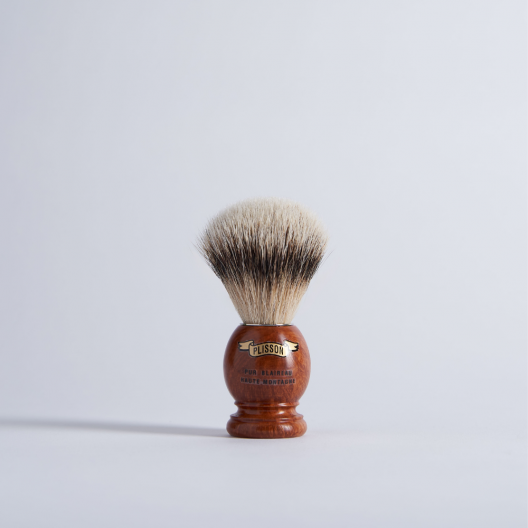
High Mountain White Briar Shaving Brush
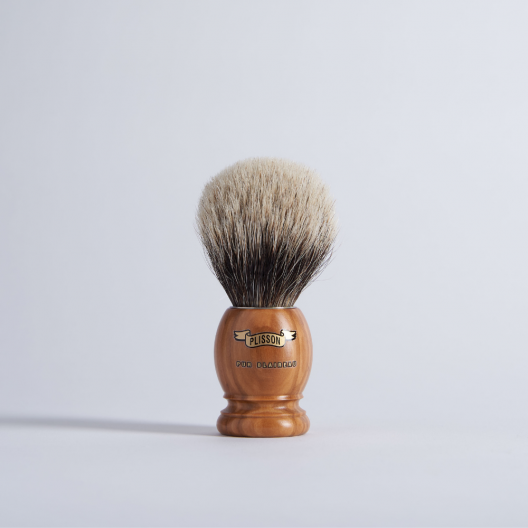
Olivier European Grey Shaving Brush
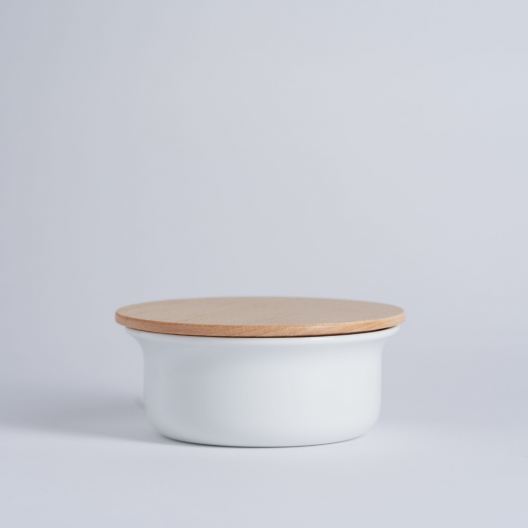
Soap and Porcelain Beard Bowl with White Beechwood Lid
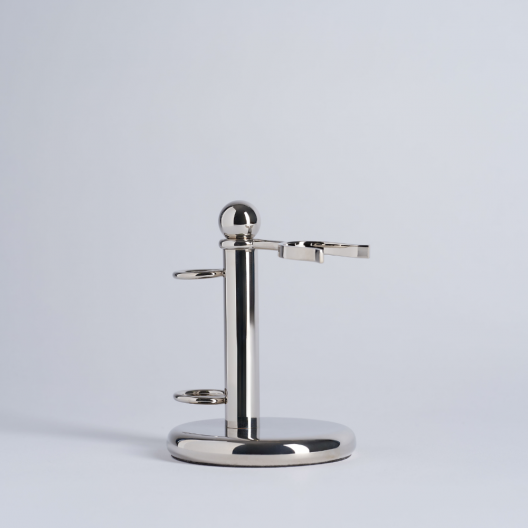
Shaving Brush and Razor Holder Nickel-Plated Brass