Your cart
Your cart is empty...
Browse our catalog — you might find something you like.
Total
€0.00
All taxes included
0 items
€0.00
Shipping
in France
Vous aimerez aussi
Available
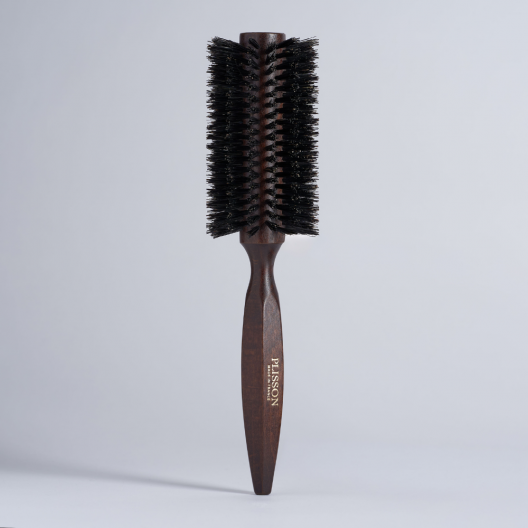
Hairbrushes
PB9500.14
€75.00
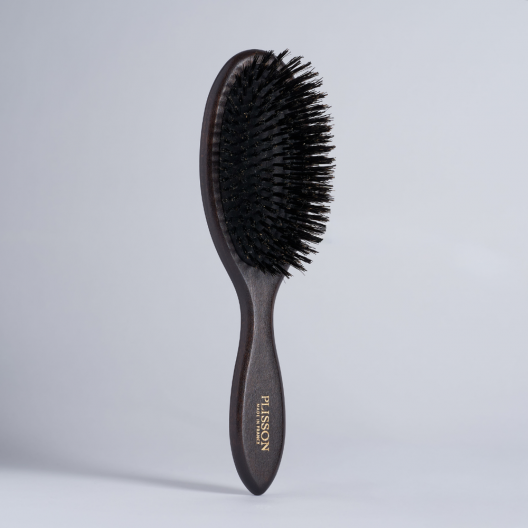
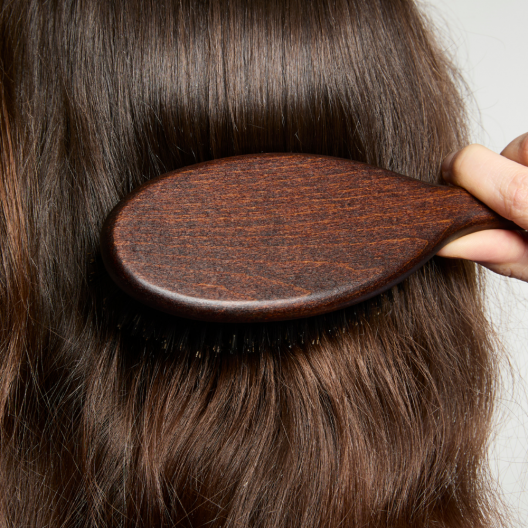
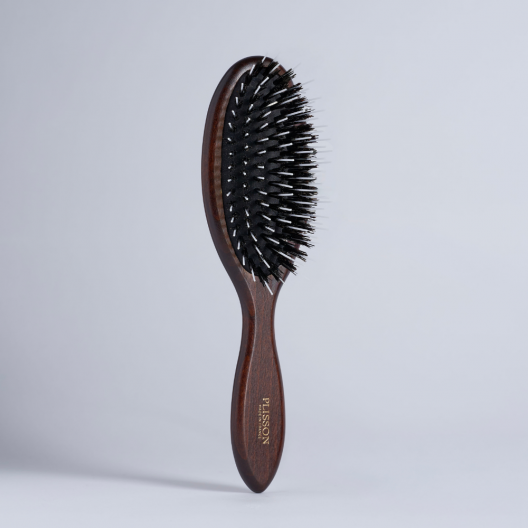
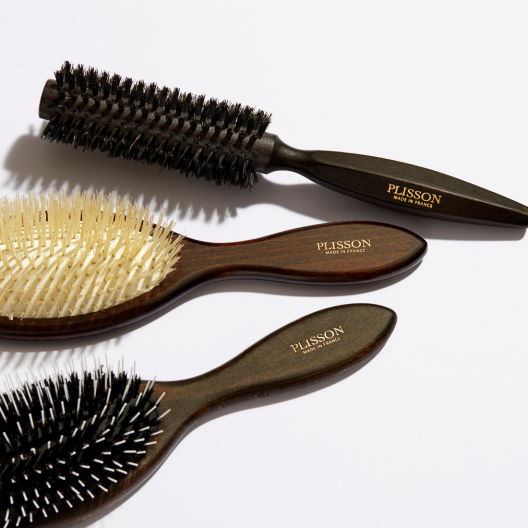
Round hair brush with pure boar bristles and natural wood handle. Made with the hair root for more firmness. Antistatic and very pleasant to use. Total length 22 cm. Diameter 5.4 cm. Crafted by hand in France. Also available in larger size.
Available
Duos
PR920
€60.00
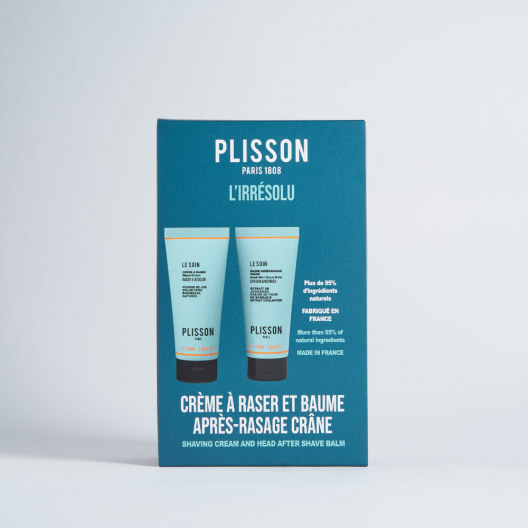
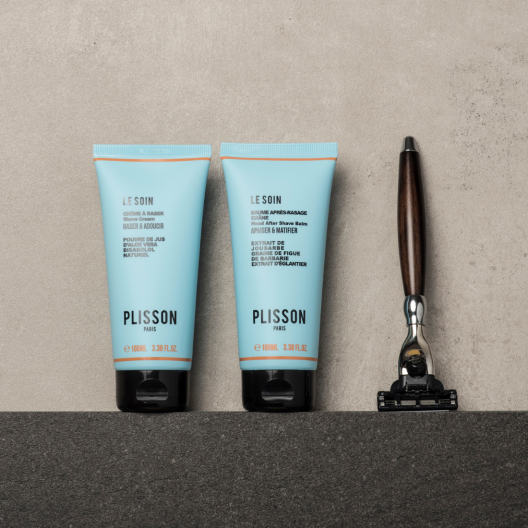
L’Irrésolu brings together a Shaving Cream and a Post-Shave Balm for the Scalp, two complementary products for a skin-respecting shave.
Shaving Cream: protects and prepares the skin thanks to the combination of Bisabolol and Aloe Vera. Its creamy texture ensures smooth razor glide and reduces irritation for a precise and safe shave. Yuka Score:...
Available
Duos
(1)
PR909
€65.00
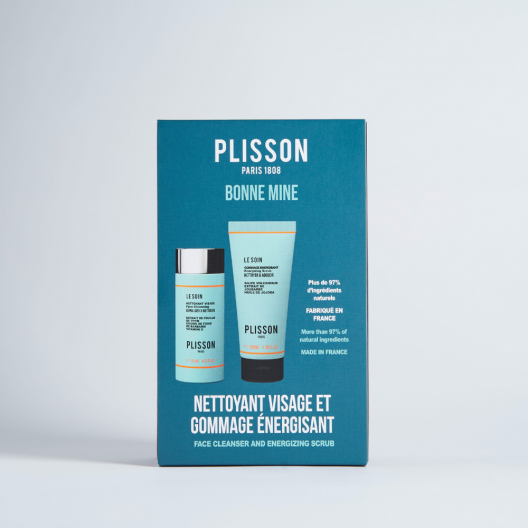
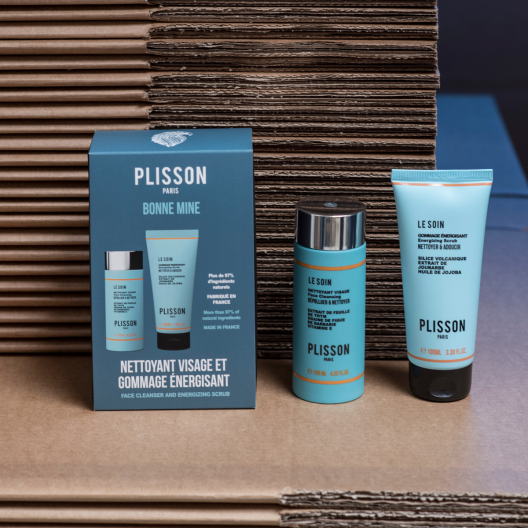
The healthy glow duo for flawless, radiant skin. Deeply cleanse your skin with the healthy glow duo for smooth, blemish-free, and radiant skin.
The duo includes:
A facial cleanser enriched with natural Vitamin E. SCORE YUKA: 86/100 (excellent)
An energizing scrub formulated with Volcanic Silica and Housleek extracts. SCORE YUKA: 72/100 (excellent)
.png)